
"high-end Robusta"
400 article(s) found

A brief introduction to the planting situation, geographical location, climate and altitude of high-quality coffee beans in Vietnam
Coffee cultivation in Vietnam covers an area of about 500000 hectares, of which 10% are owned by state-owned enterprises and farms, and 85% by farmers and landowners. The scale of the manor is small, usually 2-5 hectares, and the large manor is about 30-50 hectares, but the number is small. Vietnamese coffee ranks second in all agricultural products exported from Vietnam, second only to rice. Every year, about 300000 farmers are engaged in coffee cultivation, with a labor force of 600000.

A brief introduction to the planting situation of fragrant and mellow Vietnamese boutique coffee beans, geographical location, climate and altitude
G7 coffee is one of the most famous coffee in Vietnam. Each coffee bean is selected from the best coffee area in the Vietnamese plateau and baked with special cream. The creamy, mellow Wiener three-in-one instant coffee is produced and exported by Vietnam Bian Heweina Co., Ltd., the market share of Vina coffee in Vietnam has been maintained at more than 45%, in the leading position. At present, Wiener has been connected.

A brief introduction to the flavor, taste and aroma characteristics of Vietnamese boutique coffee beans with light sour taste
Coffee cultivation in Vietnam covers an area of about 500000 hectares, of which 10% are owned by state-owned enterprises and farms, and 85% by farmers and landowners. The scale of the manor is small, usually 2-5 hectares, and the large manor is about 30-50 hectares, but the number is small. Vietnamese coffee ranks second in all agricultural products exported from Vietnam, second only to rice. Every year, about 300000 farmers are engaged in coffee cultivation, with a labor force of 600000.

A brief introduction to the treatment method of grinding degree and baking degree of cream-scented Vietnamese boutique coffee beans
Coffee production in Vietnam has the following characteristics: (1) because there is no effective way to deal with fallen leaves, medium-grain coffee was selected as the main variety in the early 1980s. (2) based on the planting technology, the planting method of coffee was determined, that is, under the hot and humid climate in southern Vietnam, high density planting, large amount of irrigation, excessive fertilization and no shading trees were obtained.

A brief introduction to the history and culture of the origin and development of Vietnamese boutique coffee beans with light sour taste
Coffee production in Vietnam has the following characteristics: (1) because there is no effective way to deal with fallen leaves, medium-grain coffee was selected as the main variety in the early 1980s. (2) based on the planting technology, the planting method of coffee was determined, that is, under the hot and humid climate in southern Vietnam, high density planting, large amount of irrigation, excessive fertilization and no shading trees were obtained.

Coffee tasting terms coffee taste to understand the characteristics of coffee beans in different places
Before you begin to understand the characteristics of coffee beans in different places, you must know the following taste words in order to know the characteristics and flavor of coffee beans in various producing areas. Body (consistency) has been translated as mellow, the correct taste should be to feel the coffee after the entrance of the thick, thick texture. The tactile impression and consistency of the tongue in terms of weight and quality are as light as water.

The processing method of Danqi Meng Coffee introduction to the Environmental production area of Cooperative planting Manor
Beans taste different according to the region where they grow. The factors that affect the taste are the variety of coffee trees, the soil properties of growth, the climate and altitude of the cultivation garden, the care of picking results, and the process of bean treatment, etc. These elements vary from region to region, while bakers and integrated manufacturers look for the characteristics of each region, so that the comprehensive products have their own unique typical flavor. You can try to chase.

Brief introduction to the treatment method of grinding degree and baking degree of Vietnamese boutique coffee beans with light sour taste
Coffee cultivation in Vietnam covers an area of about 500000 hectares, of which 10% are owned by state-owned enterprises and farms, and 85% by farmers and landowners. The scale of the manor is small, usually 2-5 hectares, and the large manor is about 30-50 hectares, but the number is small. Vietnamese coffee ranks second in all agricultural products exported from Vietnam, second only to rice. Every year, about 300000 farmers are engaged in coffee cultivation, with a labor force of 600000.

What's the difference between Italian matching raw beans and cooked beans? Italian matching beans delicious formula
Professional coffee knowledge exchange more information about coffee beans Please pay attention to the coffee workshop (Wechat official account cafe_style) the design concept of blending coffee beans originates from the traditional Italian coffee. In recent years, the coffee industry has advocated the choice of higher quality Arabica coffee (Arabica) instead of robusta coffee (Robusta), because the caffeine content of robusta beans is 2% higher than that of Arabica beans.

Uganda Coffee beans are expected to be exported to China in large quantities.
Uganda's coffee exports in June 2021 were 618388 bags of 60 kg bags worth US $58.56 million, the highest in a single month since 1991. This includes 565449 bags of robusta coffee valued at $50.25 million and 52939 bags of Arabica coffee valued at $8.31 million, according to UCDA's monthly report in June 2021. In the same month as last year
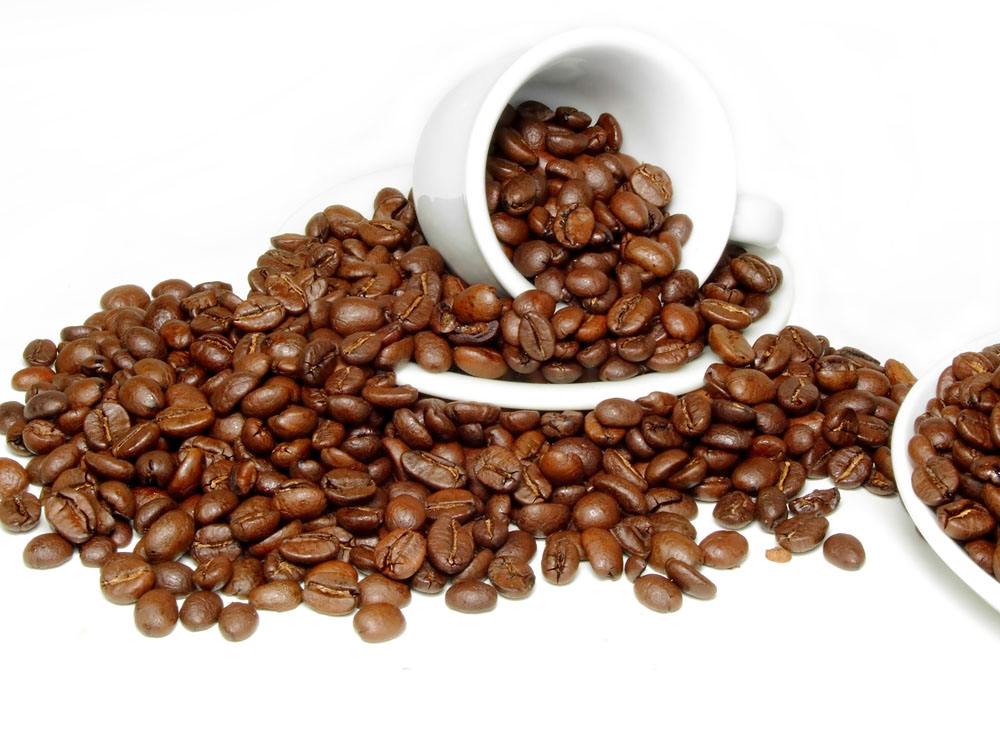
Vietnamese Coffee making Technology, Vietnamese Coffee characteristics
Following caf é comments (official Wechat account vdailycom) found that the opening of a small shop in Vietnam is very favorable for coffee cultivation. Southern Vietnam has a hot and humid tropical climate suitable for growing ROBUSTA coffee, while northern Vietnam is suitable for growing ARABICA coffee. Coffee production in Vietnam has the following characteristics: (1) because there is no effective way to deal with fallen leaves, in the 20th century

A brief history of Malagasy coffee. Malagasy organic coffee without organic verification.
When it comes to Madagascar, we may first think of our favorite animal cartoons, but Qianjie Coffee is going to talk about its coffee today. How did Malagasy coffee spread to Madagascar? Does it play an important role in society? What is the uniqueness of their coffee culture? Madagascar is an island country in the Indian Ocean and the fourth largest island country in the world. 88 million

Common sense about sour coffee in coffee
Some friends call the acid in coffee ascorbic acid. So the first question is whether there should be acid in coffee and what is the charming acid in coffee. When we talk about this problem, we have to compare the difference between Arabica coffee and Robusta coffee. Arabica coffee is superior to Robusta coffee in that the former has the complexity of taste. There are.

Do you know there is coffee in Laos? Laos Coffee introduction |
The main coffee growing area in Laos is the high-altitude Boravan Plateau, where there is volcanic red soil, where coffee plants thrive. Coffee plant varieties include Arabica coffee, Robusta coffee and Liberika coffee. The French first introduced coffee plants to the region in the 1920s, and the French designated its fertile soil plateau as the main coffee growing area.

About sour Coffee in Coffee
Some friends call the acid in coffee ascorbic acid. So the first question is whether there should be acid in coffee and what is the charming acid in coffee. When we talk about this problem, we have to compare the difference between Arabica coffee and Robusta coffee. Arabica coffee is superior to Robusta coffee in that the former has the complexity of taste. There are.

Flavor description of Danqi Meng Coffee producing area introduction to Manor by Grinding scale treatment
Description of flavor of Danqimeng Coffee Origin, Taste Grinding scale method Manor introduction [Origin]: 90 + Ethiopia SNNP, Sidama (Hidamo) producing area [altitude]: 1750m-2000m [treatment method]: sun [Flavor]: nectarine, Tropical Fruit, Cream, Cinnamon Nekisse [name Origin]: Danqiman (Danch Meng) its
Java flavor coffee with strong coffee flavor
Java (Java) aroma 3.5 minutes brightness 3.5 minutes mellow 4 minutes flavor 4.5 points aftertaste 4 points suitable for baking degree: City/Full city full city is the best, can be shallower, but do not recommend deeper baking, after the baking end of the beans can make the flavor more complete. Java produces a lot of coffee, but it is a pity that most of them are Robusta species with poor flavor at present.

Cultivation of coffee beans and coffee in the three largest producing areas in the world
Coffee beans should have a lot of benefits to the human body, so many people like ▼ Africa Ivory Coast. Some people say it is the world's third largest coffee producer after Brazil and Colombia, but others say it is Indonesia. But what is certain is that its original Robusta production is the first in the world. The main producing area is in the south, producing Robusta original medium-sized coffee.
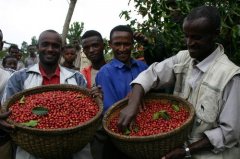
Premium Java beans, high quality Arabica coffee, Java coffee, Asian flavor coffee.
Java produces a lot of coffee, but it is a pity that at present, most of them are robusta species with poor flavor, and there are few high-quality Arabica beans left. this is because a coffee disaster in the 1970s caused coffee farmers to abandon the high-quality but delicate Arabica. Robsta, which is high-yield, easy to take care of but low-quality, only a few government-owned estates still produce high-quality products.

Coffee beans are divided into several types of taste.
. Caffee Latte vs Ole Coffee (Cafe au Lait) simply put, lattes are made of Espresso and steamed milk, while Ole coffee is made of dripping coffee and steamed milk. .Espresso or Expresso? If the above 5 points are not clear for the time being, remember to pronounce them correctly first! Espresso is Italian, which means under pressure.